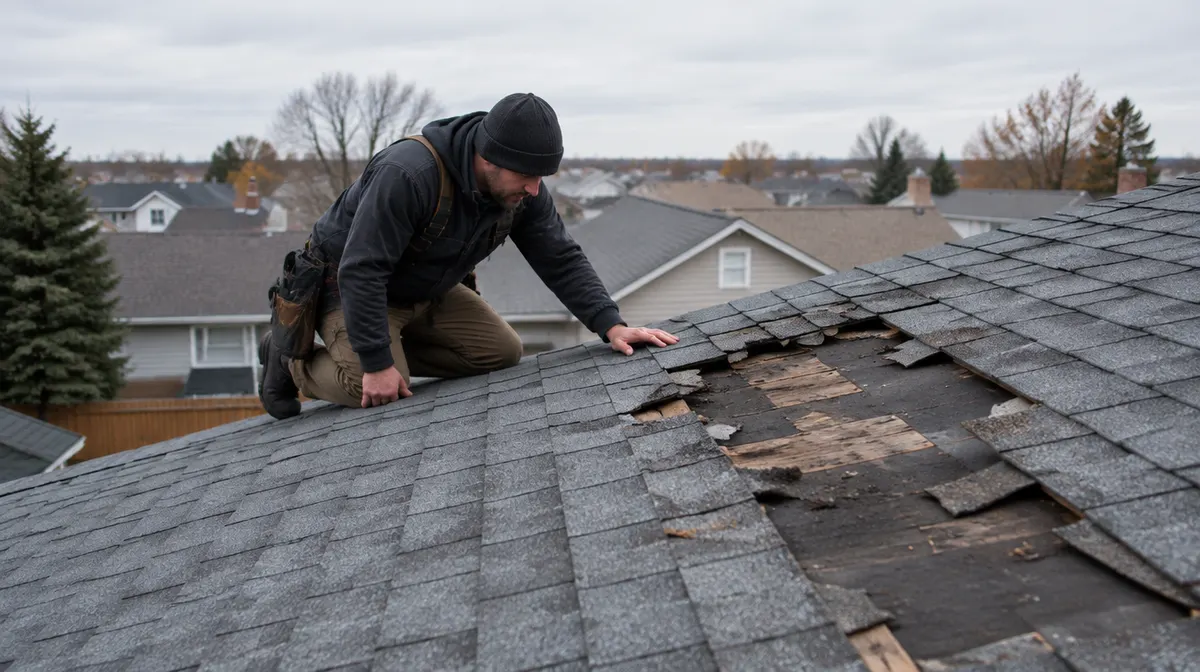
Ask a roofing company owner what kind of lead they want, and most will say replacements. Ask what kind of lead they actually get from ads, and the answer is often a mix: a few replacement inquiries, a lot of small repairs, and some people who just want a price for a single cracked tile.
That mix is not random. Repair leads and replacement leads come from different people, at different moments, through different channels. The ads that bring one are often not the ads that bring the other. This guide walks through how we think about the difference, so your ad money goes toward the work you want.
Why the two kinds of leads behave differently
A repair is usually a problem that showed up this week. There is a stain on the ceiling or a few shingles in the yard after a windy night. The homeowner wants someone to come out soon, and they often call the first company that looks reliable.
A replacement is usually a decision that has been building for months or years. The roof is getting old, a home inspector mentioned it, or the owner is getting the house ready to sell. They want to understand the options, compare a few quotes, and feel sure about who they hire. They are not in a hurry today, but the job is worth much more.
Because the moments are different, the ads have to be different too.
Where repair leads tend to come from
When something is leaking, most people search. They type "roof leak repair near me" into Google, look at the map results, check a few reviews, and call. That is why urgent repair work mostly flows through Google search and your Google Business Profile, not through social media.
Facebook and Instagram ads can still bring repair leads, and plenty of roofers get them without trying. An ad that leads with a low-priced repair, or that talks mostly about small fixes, will draw people with small problems. That is fine if you want that work. It is a budget leak if you were hoping for replacements.
If you do want repair work from Meta, keep the message focused on what a repair customer cares about: how soon you can come out, that a real person will look at the problem, and that you serve their town.
Where replacement leads tend to come from
Facebook and Instagram are good at reaching people before they search. A homeowner scrolling at night is not looking for a roofer, but if your ad shows a finished roof on a house like theirs and talks about the signs of an aging roof, it can start the conversation months before they would have typed anything into Google.
That head start matters for replacement work. The homeowner gets to know your company, sees your work a few times, and comes to you when they are ready. Replacement leads from ads often take longer to close, so judge them over weeks, not days. Our guide to roofing Facebook ad budgets covers how to think about that timing and what you can afford to pay per lead.
Targeting: what you can and cannot control
Meta does not know how old anyone's roof is, and it does not let you pick homeowners with certainty. What you can control is the area. Set your ads to the towns and zip codes your crews actually drive to, and leave out places you would never take a job.
If you know which neighborhoods have older homes or the kind of roofs you specialize in, you can lean your area toward them. Beyond that, the ad does the filtering. The words and pictures you choose decide who stops scrolling, far more than any targeting setting.
One more option worth knowing: people who visited your website but did not fill out the form can be shown follow-up ads, as long as your site has the Meta pixel set up correctly. For replacement work, where people take their time, those reminders are often useful.
Creative: what the ad shows and says
For replacements, show finished work. Real photos of roofs your crew installed, ideally on houses that look like the ones in your area, do more than stock images. A short video of your crew on a job, or of the owner explaining what an inspection covers, helps people feel they know who would show up.
Talk about the decision the homeowner is weighing: how to tell when a roof is near the end of its life, what materials make sense for your climate, what the process looks like from inspection to cleanup. If you offer financing, a warranty or a specific material, say so plainly. If you do not, leave it out.
For repairs, keep it simple and direct. Show the problem, say you can come take a look, and name the area you serve. Avoid leading with the word "cheap" unless cheap jobs are what you want more of.
The offer: what you ask them to do
For replacement leads, the most common offer is a free roof inspection or a written estimate. It is a low-pressure first step for someone who is not ready to sign, and it gets you on the roof, where you can explain what you see.
For repair leads, the offer is usually speed: come out and look at the problem soon. Only promise a response time you can actually keep, every time. A missed promise on the first contact is hard to recover from.
Let the form sort the leads for you
Even with good ads, you will get some of each. A short form can sort them before you pick up the phone. One question does most of the work: "What do you need: a repair, a replacement, or an inspection?" A second question about timing, such as "When are you hoping to get this done?", tells you who to call first.
Keep it to those one or two extra questions. Every added field costs you some form fills, and you can learn the rest on the call. The leads stay yours, too, which matters; our guide to roofing leads you don't share explains why that changes the follow-up.
Should you run both?
Most roofing companies want some of each. Repairs keep crews busy between bigger jobs and often turn into replacements later. Replacements are where the margin usually is.
If you run both, keep them in separate campaigns or ad sets, with their own ads and their own budget. That way you can see what each kind of lead costs and how many of each turn into signed work. When one side is paying off better, move budget toward it.
Track three things for each side every week: leads, booked inspections or visits, and jobs won with their value. A simple spreadsheet is enough. After a month or two, you will know which ads bring which work, and that is worth more than any general rule, including the ones in this post.